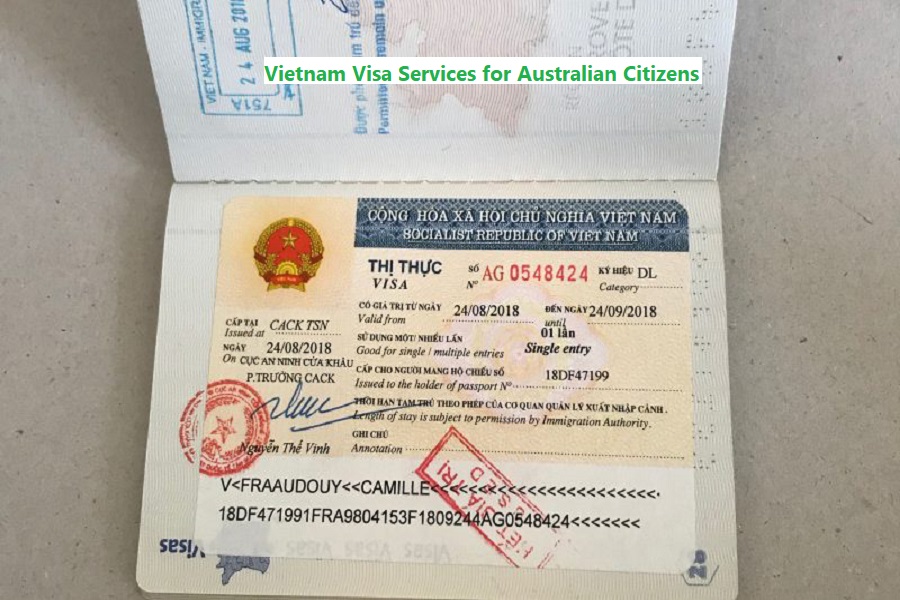
Planning a trip to Vietnam? Discover essential visa requirements for Australian citizens traveling for tourism, business, or study. This comprehensive guide covers various visa types, including tourist and business visas, along with application methods, critical documentation, and helpful tips for a smooth visa experience. Learn about the online application process, how to apply in-person at embassies, and the advantages of the visa on arrival option. We also address common concerns, such as visa extensions and what to do in case of lost travel documents. Ensure a hassle-free journey to Vietnam by understanding the latest visa policies and requirements tailored specifically for Australians.
Understanding Visa Requirements for Australians Traveling to Vietnam
For Australian citizens planning to visit Vietnam, it is essential to understand the different types of visas available. The visa requirements primarily depend on the purpose of the visit, which can range from tourism to business, study, or family visits. Each category comes with specific regulations and documentation requirements that must be adhered to before travel.
One popular option is the tourist visa, which is suitable for those intending to explore Vietnam’s culture and attractions. Generally, this visa allows Australians to stay for up to 30 days, with the possibility of extending their stay once in the country. For longer visits or more complex travel intentions, such as attending conferences or engaging in business activities, a business visa vietnam is necessary. This type of visa typically accommodates longer stays and requires additional paperwork, including an invitation letter from a Vietnamese partner.
Australian citizens should also consider the student visa if their purpose for traveling to Vietnam involves attending educational institutions. This visa type requires proof of enrolment in a recognized educational program and can vary based on the duration of studies.
It is important to note that visa policies are subject to change, and factors such as the duration of stay and entry points into Vietnam can influence requirements. For instance, certain international airports might have different regulations than land borders. Additionally, travelers must prepare compulsory documents, such as a valid passport, passport-sized photographs, and, in many cases, proof of onward travel.
In conclusion, when planning a trip to Vietnam, Australian citizens must carefully evaluate their visa options based on their travel intentions and ensure they meet all necessary requirements for a smooth journey.
How to Apply for a Vietnam Visa: A Step-by-Step Guide
Applying for a Vietnam visa as an Australian citizen involves several steps, ensuring that you have the correct documentation to enter the country. This guide outlines the necessary actions needed for a smooth application process.
Firstly, you must determine which type of Vietnam visa vietnam online suits your travel needs. The options include a tourist visa for short stays, a business visa for professional activities, and additional categories depending on the purpose of your visit. Once you identify the visa type, you can proceed with the application.
There are two primary methods for applying for a Vietnam visa: online and in-person at the Vietnamese embassy or consulate. For the online application, Australian citizens can take advantage of the Vietnam e-visa system. This allows travelers to apply through a designated website, complete with a form submission and payment of the applicable fees, which typically range from USD 10 to USD 25, depending on the duration and type of visa.
If you prefer to apply in person, you will need to visit the nearest Vietnamese embassy or consulate. During your visit, be sure to bring necessary documents, such as a valid passport, recent passport-sized photographs, and any other supporting materials based on the visa category you select.
Another popular choice is the visa on arrival option, which provides flexibility, especially for those who plan to enter Vietnam via an international airport. To utilize this service, you must first obtain a visa approval letter from a travel agency, which can typically be processed within one to three business days. Upon arrival, present this letter, along with the necessary fees, to obtain your visa.
Common mistakes to avoid during the application process include submitting an incomplete application, failing to double-check document requirements, and not allowing adequate processing time. By following this guide and ensuring all details are meticulously handled, you can successfully navigate the Vietnam visa application process.
See also this article: Fast visa extension service in Vietnam
Tips for a Smooth Vietnam Visa Experience
Traveling to Vietnam can be an exciting adventure, and obtaining the appropriate visa is a crucial step in ensuring a smooth journey for Australian citizens. Here are some essential tips and best practices to facilitate a hassle-free Vietnam visa experience.
First and foremost, it is imperative to check the validity of all documentation well in advance. Ensure your passport is valid for at least six months beyond your intended departure date from Vietnam. This is a common requirement that many travelers overlook, leading to unexpected complications. Additionally, verifying your visa type according to the purpose of your visit—whether it’s tourism, business, or a family visit—will help streamline the application process.
Understanding visa expiration is another vital aspect. Australian travelers should be well aware of the duration of their visa validity and any stipulations regarding entry and exit. Overstaying a visa can lead to severe consequences, including fines or difficulties in future travel. To avoid this, familiarize yourself with the expiry date and plan any necessary extensions ahead of time.
Carrying multiple copies of important documents, such as your visa approval letter and travel insurance, can prove beneficial. In case of loss or theft, having these copies handy will lessen the stress of your travels significantly. Furthermore, it is advisable to keep digital backups of all essential documents, which can be accessed remotely if needed.
If you find yourself needing to extend your visa while in Vietnam, familiarize yourself with the application process for extensions. This typically involves visiting the local immigration office and may require additional documentation, so it’s best to be prepared in advance to avoid any last-minute issues.
Frequently Asked Questions About Vietnam Visa for Australians
Many Australian travelers find themselves with questions about the Vietnam visa process. Addressing these queries is essential to ensure a smooth travel experience. One common concern is the visa extension process. If you find that your stay in Vietnam exceeds the initial visa duration, it is critical to apply for an extension before your current visa expires. This can typically be done through local immigration offices or online services. However, it is wise to initiate this process at least a week before the visa expiration to avoid overstaying, which could lead to fines or even legal issues.
Another prevalent issue is what to do in the event of a lost visa or passport. In such cases, Australian citizens should immediately report the loss to their home country’s embassy or consulate in Vietnam. After filing a report, the embassy will guide you on obtaining a replacement passport, which is a crucial document for your travel. Additionally, ensure you keep copies of your passport and visa in a separate location to facilitate identification in case of loss.
Regarding re-entry into Vietnam, it is essential to be aware of the visa conditions. Australian nationals need to exit Vietnam before their visas expire if they plan to re-enter the country. Those holding single-entry visas must apply for a new visa before returning. Conversely, travelers with multiple-entry visas can re-enter Vietnam as long as their visa remains valid. Recent updates in visa policies also indicate a shift towards easing restrictions and enhancing the application process, making it more convenient for Australians. Staying informed about these changes is imperative for a hassle-free visit to Vietnam.
Liên hệ đơn vị
VisaVietnamOnline
- Address: 1728 Big Canyon Trail, Carrollton, TX 75007, US
- Phone: +1(972)-666-0676
- WhatsApp:(+84)968 18 77 18
- Email: [email protected]
- Website: visavietnamonline.org